
WiQ digitizes waste, commodities, and spill-related material movements, keeping crews audit-ready and giving them back up to 80%+ of their time to focus on core operations.
%20Hero%20Image%20Medium.jpg)
Across Canada’s energy sector, producers, transporters, and receivers face mounting regulatory complexity, manual processes, and fragmented material data, which increases cost and risk while limiting visibility and efficiency. These can include:
%20V1.1.png)
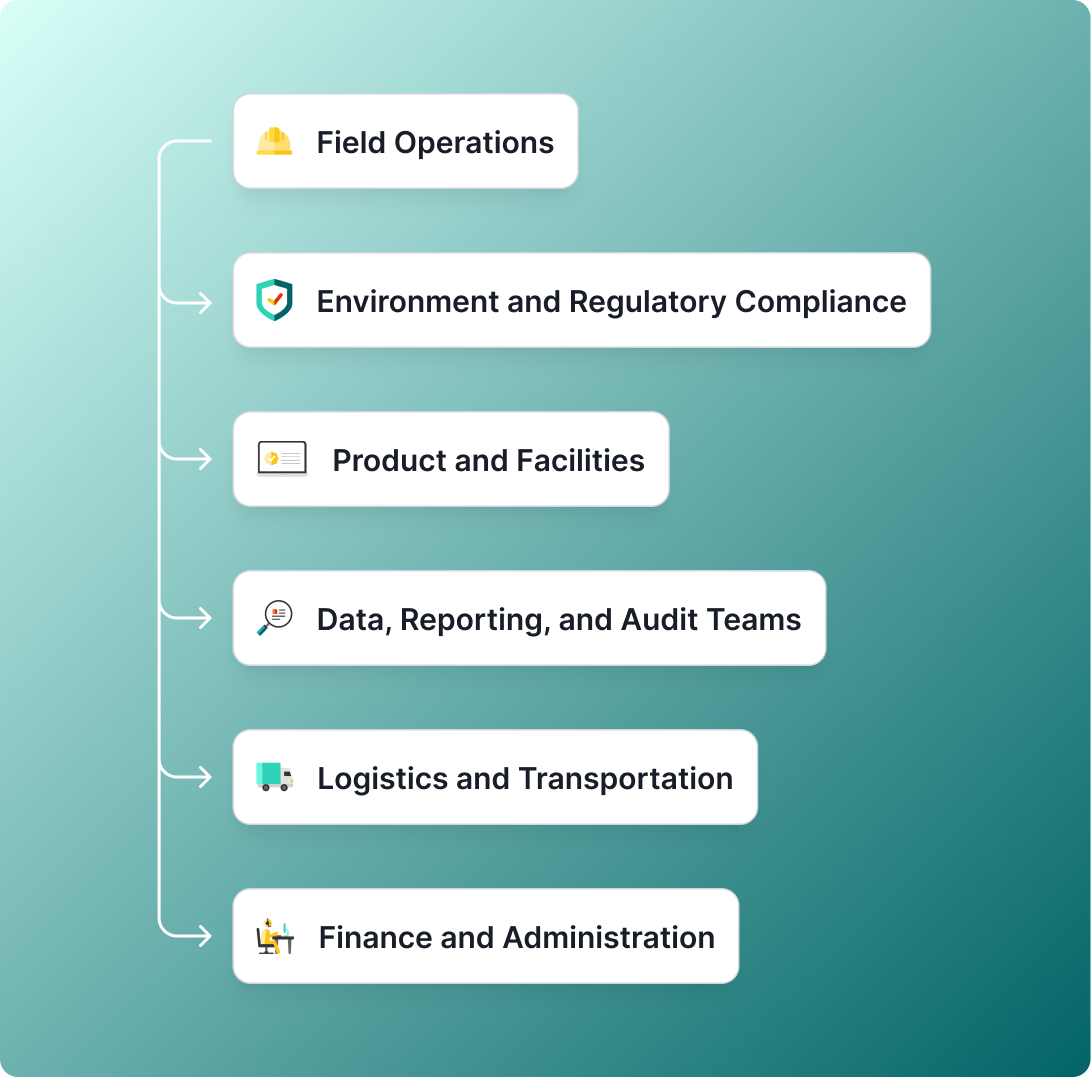
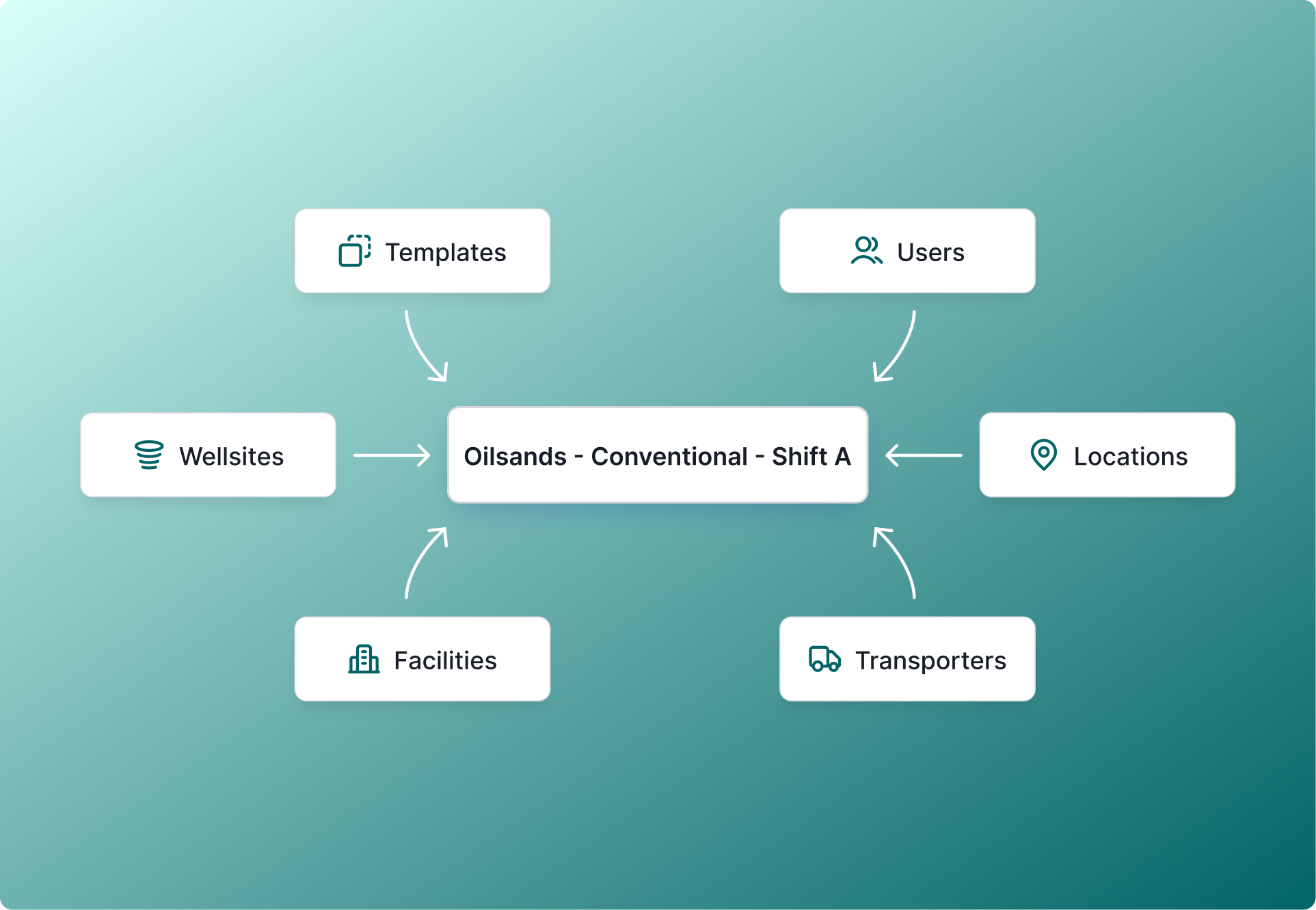
From source site to disposal and from the truck cab to the boardroom, WiQ equips teams across the value chain with clean data, reliable information, and a single source of truth for commodity movement and compliance.
WiQ modernizes the full lifecycle of commodity movement and brings accuracy, automation, and real-time visibility to every step. From digitized manifests to regulatory validation and transport tracking, WiQ gives teams a single source of truth that eliminates administrative bottlenecks and keeps operations compliant across geographies.






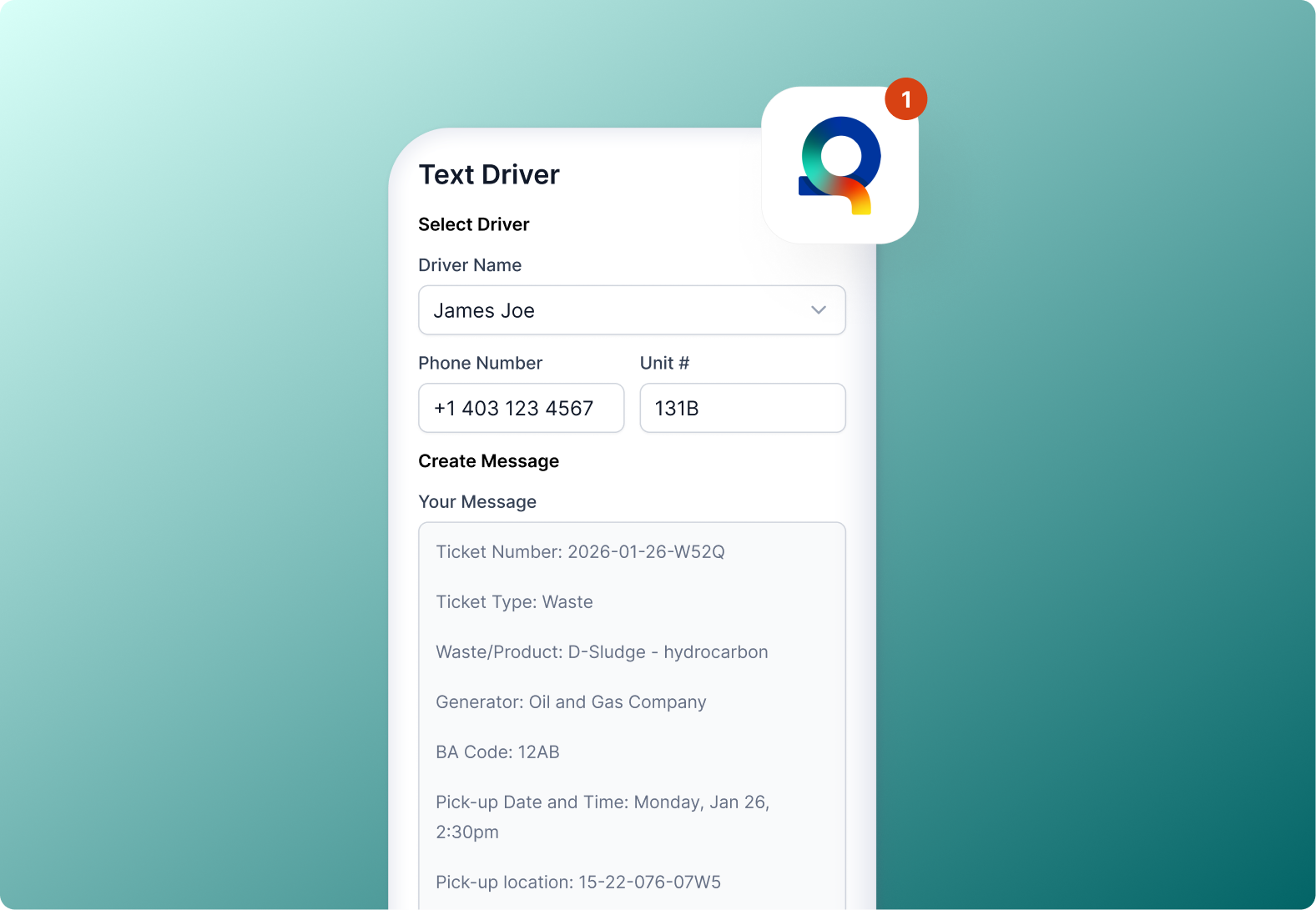
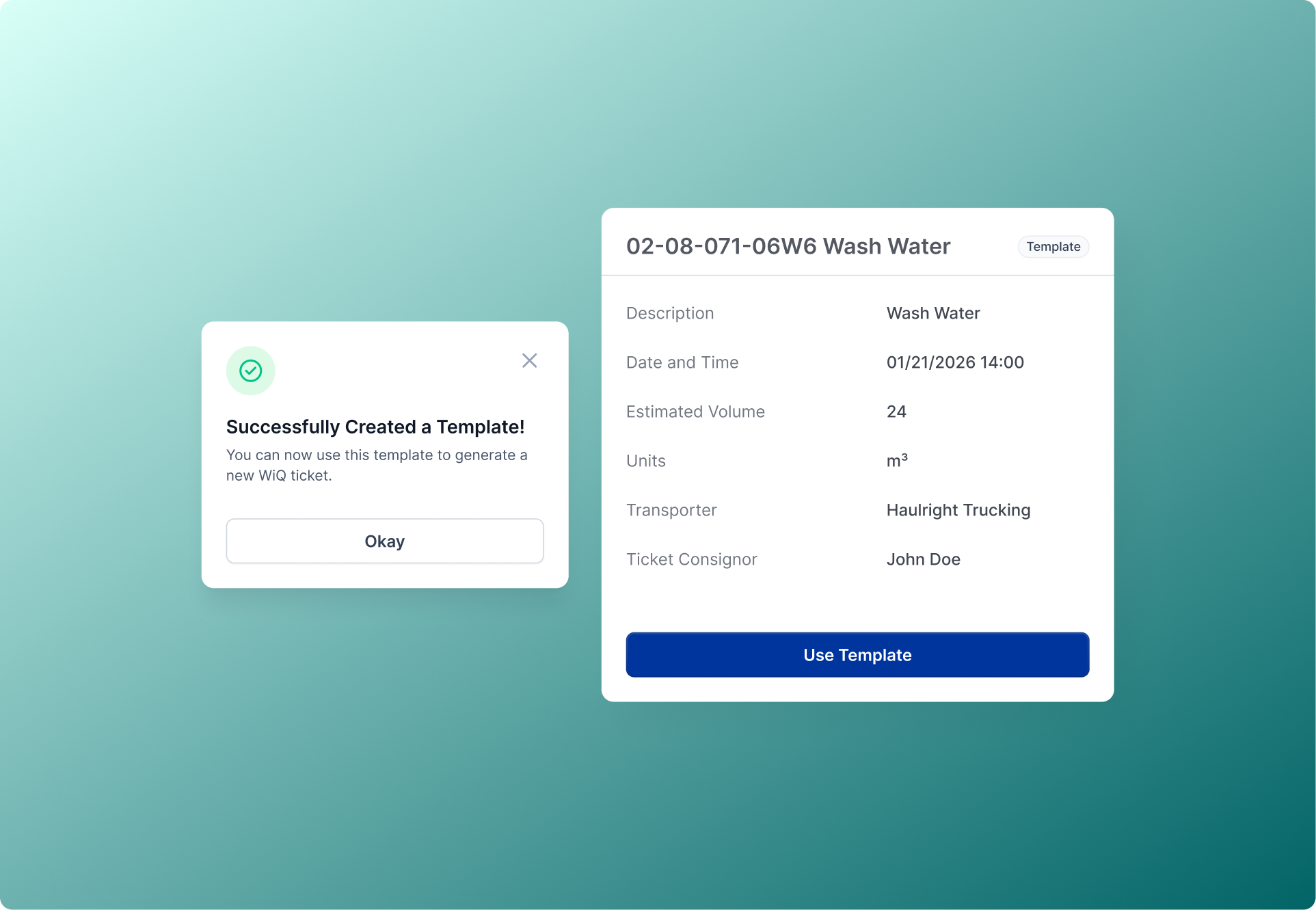

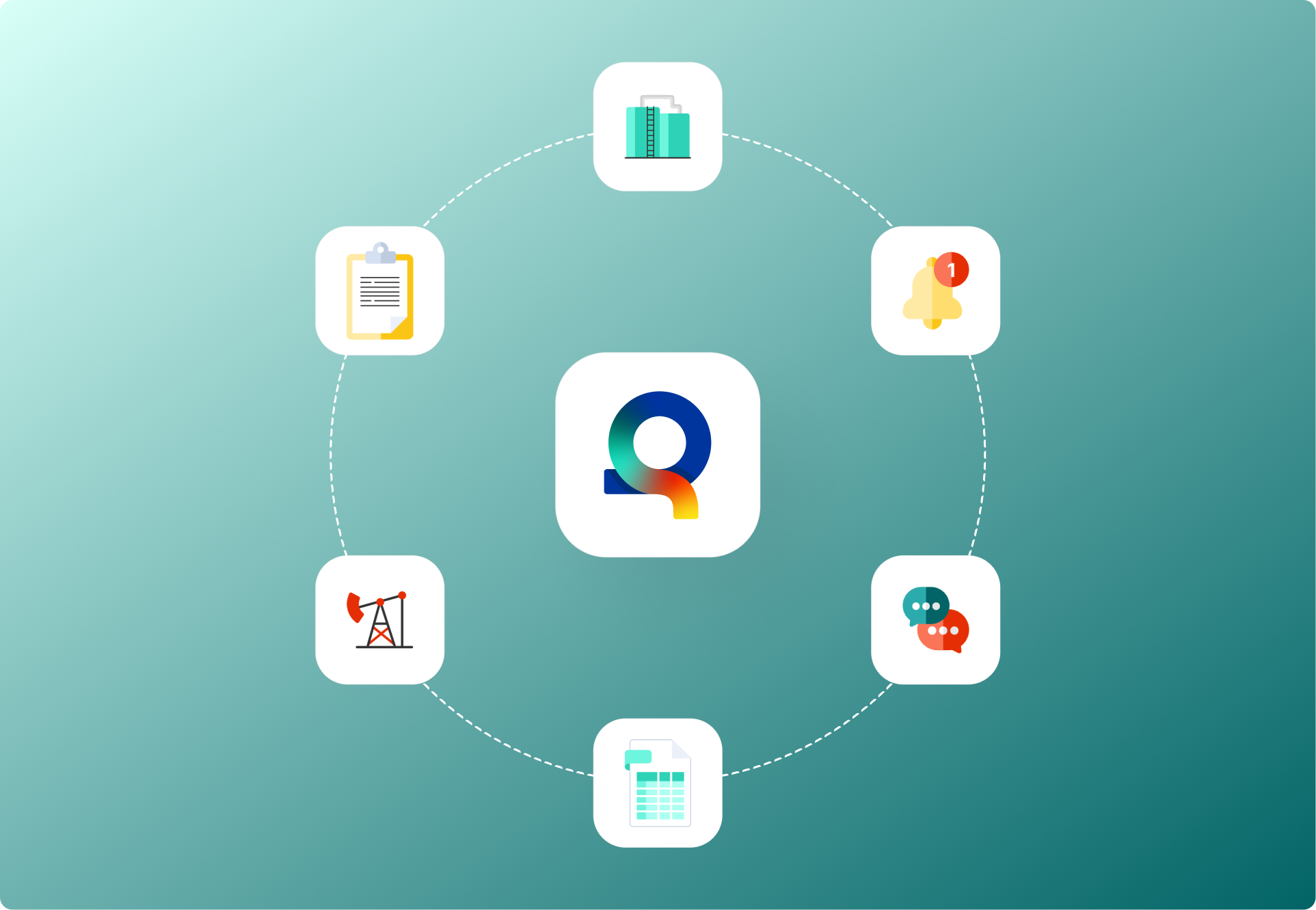



Simple, field-ready tracking for waste and material movements at every step.

Trusted by Oilfield Operations for Waste and Material Compliance
"WiQ has helped us track our fluid with just a few clicks… it provides us with the necessary tools to quickly, easily and confidently create shipping documents for any of the loads leaving our facility."
WiQ is purpose-built for oilfield waste streams, including drilling, completions, production, remediation, and facility operations. It supports the movement of waste, water, commodity, oil, and is used by upstream and midstream operators across Western Canada.
Yes. The WiQ downloadable application works offline in the field. Manifests can be created, signed, and stored on mobile decides and automatically sync one connectivity is restored.
Most field users complete a digital manifest in under a minute using pre-built templates, easy-to-use drop downs, and auto-filled data.
Yes. WiQ is designed to support AER Directive 058 requirements, including tracking, reporting, and audit-ready documentation. The WiQ digital application is built and maintained with multiple regulatory jurisdictions in mind, ensuring workflows remain compliant as waste and materials move across sites.
WiQ determines applicable regulatory requirements based on source location, material type, and receiver location, then guides users through compliant workflows and generates the correct documentation for each movement. The application prompts users for the right information, ensures all required details are complete and compliant. WiQ handles the regulatory logic so teams don’t have to.
In addition to AER Directive 058, WiQ is designed to support waste and material movements across multiple provincial and federal regulatory jurisdictions in Canada. This includes requirements set by:
Alberta Energy Regulator (AER)
Alberta Environment and Protected Areas (Alberta EPEA)
Environment and Climate Change Canada (ECCC)
Ministry of Environment and Parks (MEP)
Ministry of Environment (MOE)
Ministry of Environment and Climate Change (MECC)
Ministry of Environment, Conservation and Parks (MECP / RPRA)
Transportation of Dangerous Goods Regulation (TDGR)
As regulations evolve or new jurisdictions are added, WiQ workflows are updated to maintain compliance without adding complexity for field or office teams.
Oilfield waste (DOW/Hazardous and non-DOW/Non-Hazardous)- drilling waste and cuttings, produced fluids and sludges, contaminaed soils, tank bottoms and residuals.
Regulated and non-regulated commodities- fluids, solids, and byproducts moved between sites, reusable or recyclable materials requiring tracking.
Spill related and remediation materials - impacted soilds, absorbents, and cleanup materials.
Transporters and receivers are a critical part of the value chain and WiQ handles their onboarding, training, and ongoing support. Transporters can use an optional portal for dispatching tickets, and WiQ sets up their companies, drivers, and contacts. Receivers are onboarded with site-specific details such as operating hours, accepted waste types, and offload requirements to ensure accurate verification at disposal. WiQ works directly with both transporters and receivers to ensure smooth adoption and reliable offload data.
WiQ connects producers, transporters, and receivers in real time. Tickets are shared digitally with clear load details, automatic updates, and notifications at each step—so everyone is working from the same information.
Transporters see exactly what they’re picking up, and receivers get advance visibility into incoming loads, with the ability to flag issues or redirect loads before arrival.
Discrepancies are identified and resolved directly in the app, reducing phone calls, emails, and rework. If communication stalls, WiQ’s customer success team actively monitors ticket flow and steps in to keep loads moving and data accurate.
Producers: WiQ is implemented at the customer’s pace. Small producers typically go live in 1–2 weeks, with one onboarding session for a super user and 1–2 one-hour training sessions for field teams scheduled around shift changes. For mid-to-large producers, onboarding is tailored to operational complexity and can take 1–9 months, depending on locations and rollout approach. WiQ supports fast, phased, or gradual implementations.
Transporters: Transporter profiles are created in under five minutes. Transporters can opt in to dispatching functionality, which includes a one-hour training session for dispatch teams. Drivers are added by name and phone number, and the system is ready to use. Transporters may also opt out of dispatching while still receiving tickets. Setup typically takes five minutes to one hour.
Receivers: WiQ sets up receiver profiles and provides super user and field training to support accurate offloading. Onboarding a receiving facility can take as little as 15 minutes with basic information sharing, or up to one hour for more detailed training, depending on site needs.
Most producers, transporters, and receivers begin with a brief conversation to confirm fit, followed by a custom, live walkthrough of the workflow in the application. If you like what you see, we suggest a trial or pilot to see if WiQ is right for you. If you are ready to get rolling, we start onboarding right away!